Houthis Seize Mayun Island in Red Sea Chokepoint
Al Jazeera reports Iran-backed Houthis seized Mayun Island in the Bab el-Mandeb. What is confirmed, what is not, and how traders read a chokepoint.
Iran-backed Houthis have seized Mayun Island, the Yemeni island that sits inside the Bab el-Mandeb — the strait at the southern end of the Red Sea — Al Jazeera reported in a dispatch dated September 12, 2026. The outlet put the follow-up question in its own headline: can they hold it.
What the reporting confirms, and what it does not
Al Jazeera’s report is the account we have, and it establishes one central fact: the island changed hands, and the Houthis — whom the outlet describes as Iran-backed — now control it. The same headline reached us through three separate source confirmations, which is why we treat the seizure itself as solid rather than as a single outlet’s claim.
Beyond that, the specifics are not in front of us. We do not have a fighter count, a casualty figure, a statement from Yemen’s internationally recognised government, or any account of whether the landing was resisted. Those are the facts that decide whether this is a bargaining chip or the opening of a longer standoff, and we are not going to fill the gaps with guesses.
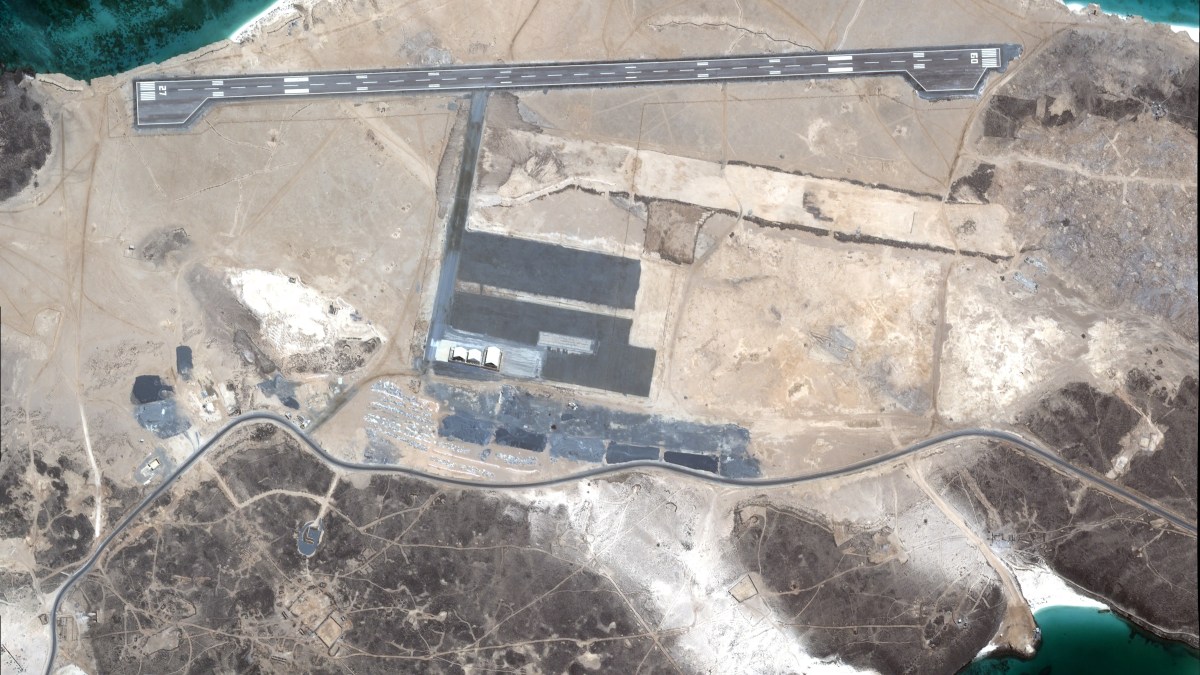 Photo: Al Jazeera
Where is Mayun Island?
Mayun is also known as Perim. It lies in the Bab el-Mandeb, the narrow waterway between Yemen and the Horn of Africa that connects the Red Sea to the Gulf of Aden and the Indian Ocean beyond. Traffic moving between the Indian Ocean and the Suez Canal passes through that strait; there is no sea route around it. Background on the island and the strait is at Wikipedia’s Perim entry and its Bab el-Mandeb overview.
The island’s value is positional rather than economic. Holding it puts a force inside the waterway instead of along its edge — close enough to watch transits directly, and close enough to threaten them on short notice. Whether that translates into the ability to close the strait is a separate question, and a much harder one.
Can the Houthis hold Mayun Island?
Nobody knows yet, and the report does not say. What can be said is that holding an island is a logistics problem, not a landing problem. A garrison needs water, fuel and food moved across open water that other navies patrol, and an island position is far easier to isolate than to defend. Three variables decide the outcome:
Resupply. Whether the Houthis can keep a force on the island fed and fuelled over time, at a greater distance and with more exposure than the coastal positions they have operated from.
Contestation. Whether Yemen’s government and its backers treat an island in the strait as categorically different from a town on the coast. If they counter-land, the story changes within days.
Outside response. Whether any coalition decides a Houthi position inside the Bab el-Mandeb is intolerable. A garrison on a small island is within reach of every navy that wants to reach it.
Al Jazeera’s headline treats durability as the story rather than the capture. That is the right read.
What traders can — and cannot — do with this
For readers who have never traded one of these: a prediction-market contract is a yes-or-no question that pays a fixed amount, usually $1, if the thing happens and nothing if it does not. Contracts trade between zero and a dollar, and the price reads directly as a probability — a contract at 34 cents is the crowd saying roughly one-in-three. Our odds converter turns any price into that probability and back.
The Al Jazeera report carries no market prices, so there is nothing here to quote and no point inventing a move. What the report gives traders is a trigger: an Iranian-aligned force now physically inside the chokepoint rather than ranged along its coast.
The consistent pattern in this corridor is that contracts pay on specified, datable events, not on rhetoric. Our guide to what Hormuz shipping contracts actually pay on walks through why the exact wording of a contract matters more than the mood of a headline — a distinction that will matter here, because “seizes island” and “closes strait” are very different resolution criteria.
For context on how the Houthis got to this position, see our earlier coverage of their advance along Yemen’s Red Sea coast.
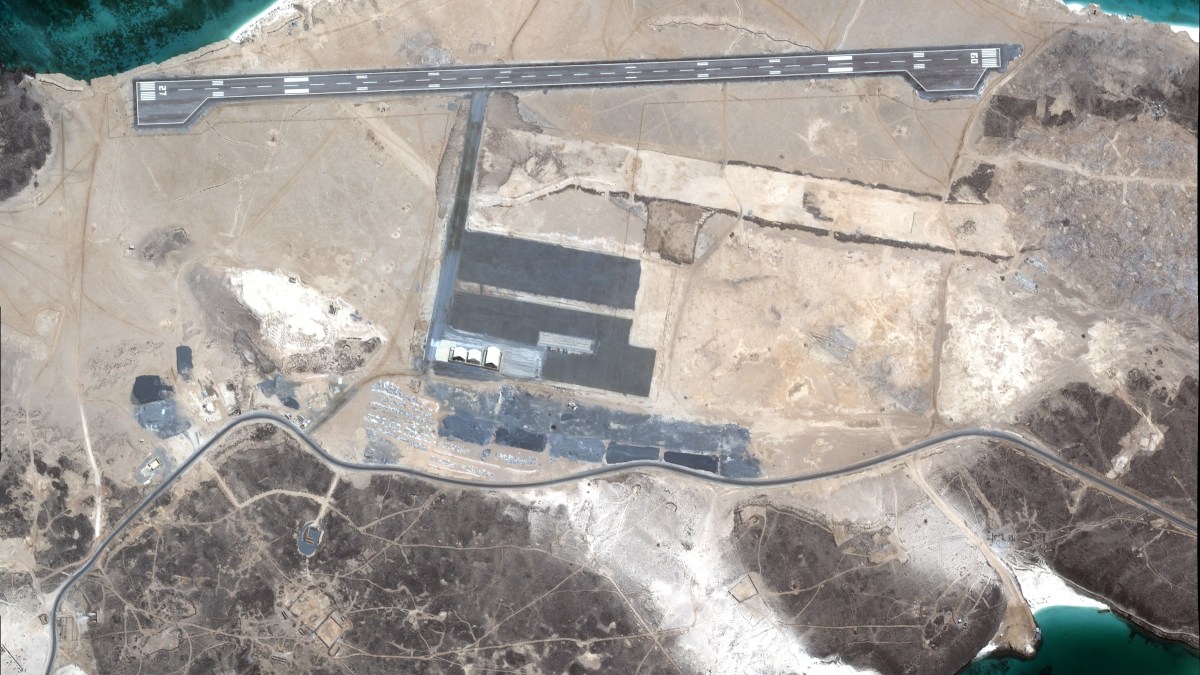 Photo: Al Jazeera
Four things to watch next
In rough order of speed:
- Whether Yemen’s government issues a formal claim to the island and acts on it.
- Whether insurers and charterers start adding Bab el-Mandeb war-risk premiums, which shows up in freight rates before it shows up anywhere else.
- Whether transit counts through the strait visibly drop.
- Whether any outside navy moves assets toward the island.
The first three are checkable within a week. The fourth is the one that reprices the other three.
Primary source: Al Jazeera
FAQ
Where is Mayun Island?
Mayun Island, also known as Perim, sits in the Bab el-Mandeb, the narrow strait at the southern end of the Red Sea between Yemen and the Horn of Africa. Al Jazeera reported on September 12, 2026 that Iran-backed Houthis seized it.
Why does Mayun Island matter for shipping?
The strait is the sea passage between the Red Sea and the Gulf of Aden, so traffic moving between the Indian Ocean and the Suez Canal has to go through it. An island inside the strait lets whoever holds it observe and threaten that traffic directly, rather than from the coast.
Have prediction markets moved on the Mayun Island seizure?
Not according to the reporting available. Al Jazeera’s dispatch carries no market prices, so there is no confirmed move to report. Traders are reacting to the trigger — an Iranian-aligned force positioned inside the chokepoint — rather than to any published number.
Who controls Mayun Island now?
The report does not establish that. It confirms the island changed hands but gives no fighter counts, no casualty figures and no statement from Yemen’s internationally recognised government on whether it contests the seizure.