Trump Says US Could 'Stay in Iran and Keep the Oil'
Trump floated seizing Iranian oil in a statement reported across global outlets. Markets haven't moved, treating it as rhetoric over policy.
President Donald Trump said the United States could “decide to stay” in Iran and “keep the oil,” according to headlines circulating across news outlets. No US ground forces are currently in Iran, and the administration has not announced invasion plans.
The statement appeared without immediate context about timing or military planning. The exact wording and setting of the remark are not confirmed in available reports, which provide only the headline-level claim.
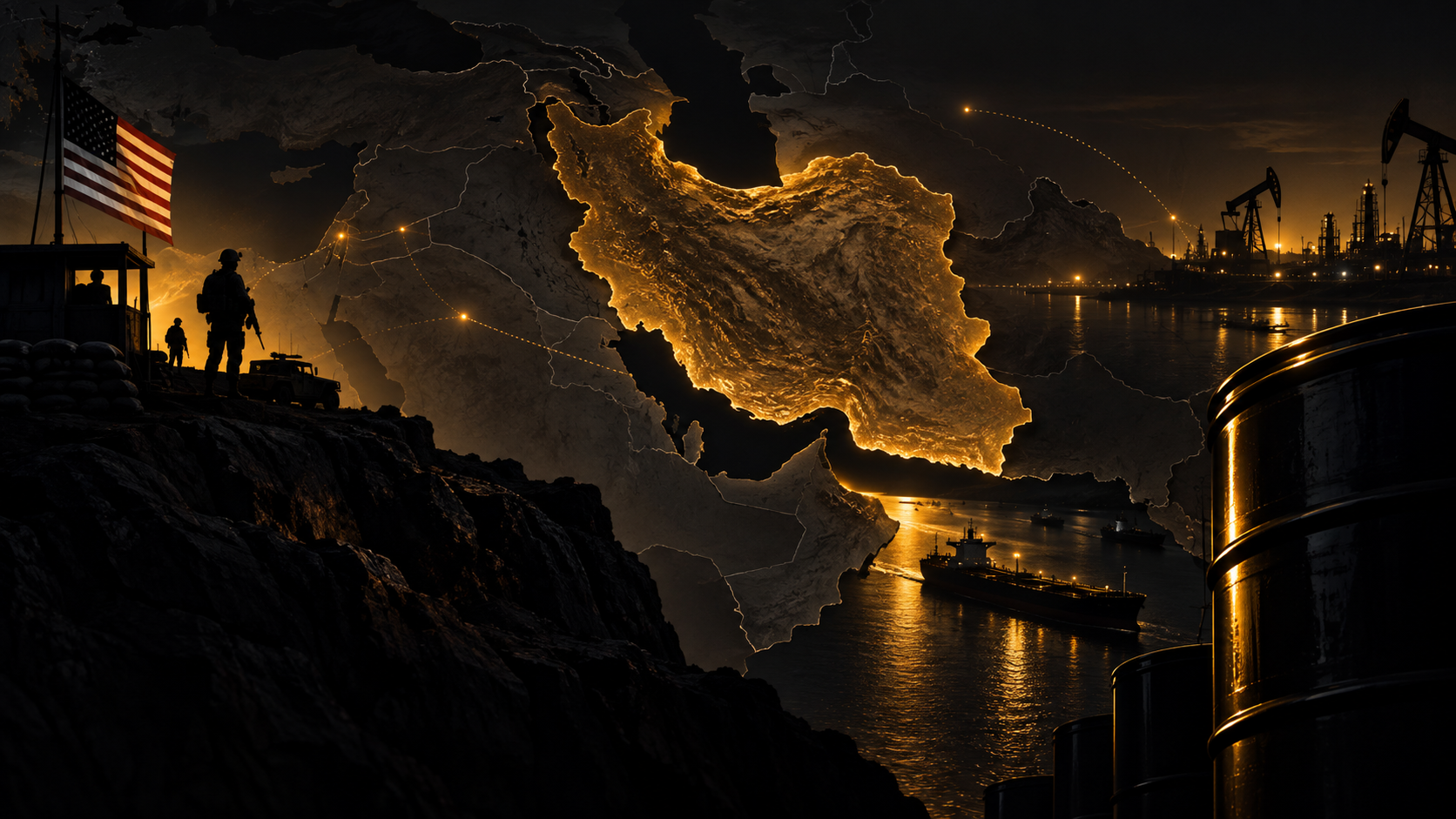 Photo: FluxrBot illustration
What Seizing Oil Infrastructure Would Require
Taking control of another nation’s oil production means occupying wells, export terminals, pipelines, and refineries. Iran’s oil infrastructure is distributed across a territory three times the size of Iraq and would require troop deployments large enough to defend against sabotage and counterattack.
Historical examples are sparse. The US did not claim Iraqi oil fields during the 2003 invasion, though reconstruction contracts followed. Russia’s 2014 annexation of Crimea included offshore gas deposits and triggered sanctions but no NATO military response.
International law prohibits annexation of territory by force. Any attempt to assert sovereignty over Iranian assets would face legal challenges, diplomatic isolation, and the logistical problem of securing installations in a country with alliances spanning Russia and China.
Have Oil Markets Reacted?
No price or volatility data from oil futures markets is available in source material, so the market response to Trump’s statement cannot be confirmed. What is known: crude prices have incorporated Middle East conflict risk for months, and any perceived threat to major supply routes typically shows up in futures and options volatility.
If markets believed annexation was imminent, pricing would hinge on whether production continued under US control or was destroyed in fighting. A scenario that kept output flowing might ease supply fears; a conflict that shut infrastructure would tighten them.
Whether Trump’s remark has moved contracts at all is unclear from available information. Statements about foreign oil by US presidents have historically moved prices only when paired with troop movements or strike orders.
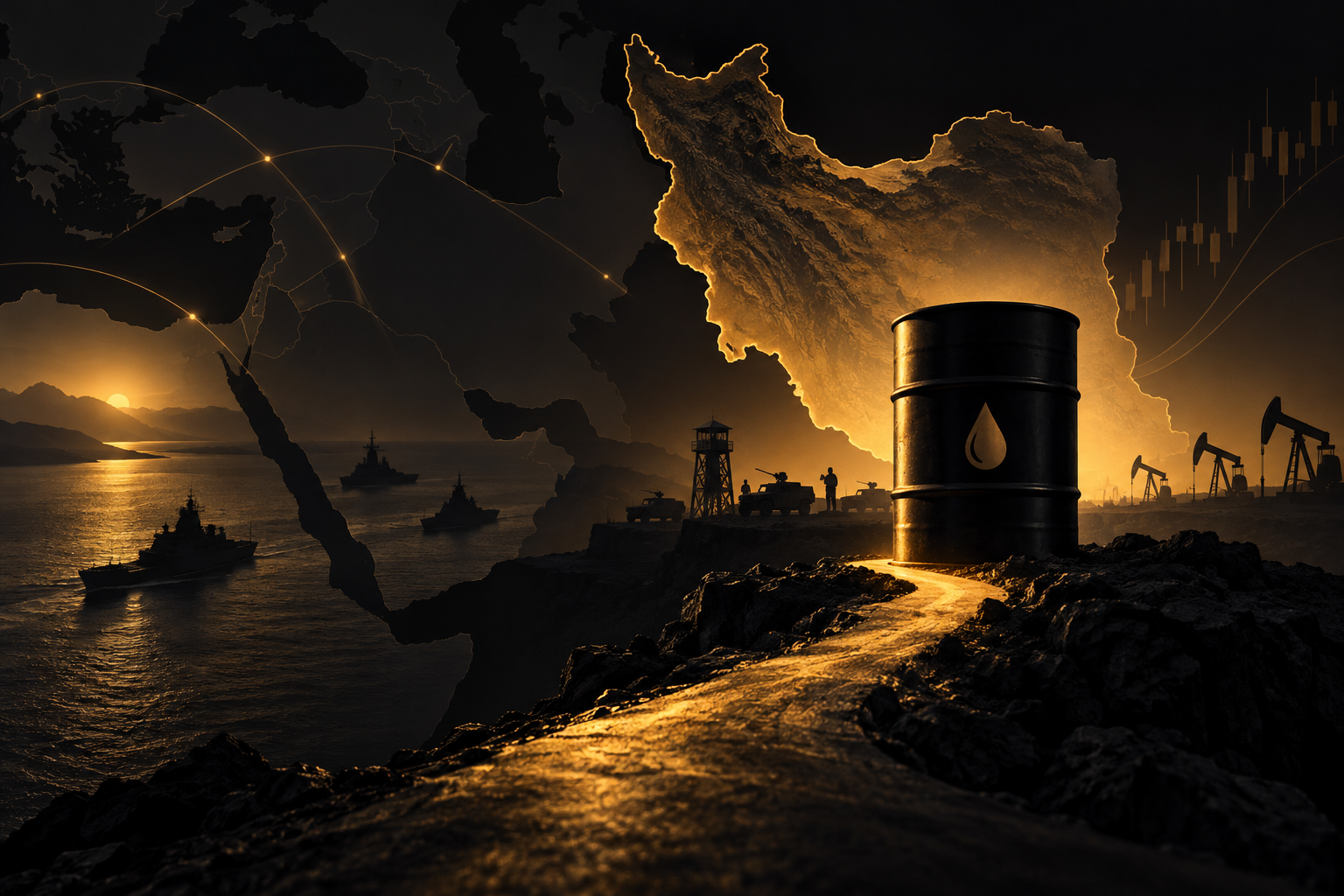 Photo: FluxrBot illustration
Why the Statement Matters
Iran is not a small producer. Any US action aimed at oil infrastructure would reverberate through global energy markets, regional alliances, and shipping security. Gulf states host US bases and rely on stable transit through chokepoints that would become conflict zones.
The comment also complicates diplomacy. US officials have pursued intermittent negotiations with Tehran over nuclear limits and regional tensions. Publicly discussing resource seizure signals either genuine policy planning or a negotiating tactic that undercuts the credibility of talks.
Traders parsing the statement face a binary: Trump’s words reflect actual planning, in which case energy and escalation risk are underpriced, or they test reaction without policy follow-through, in which case the noise fades.
What Comes Next
Without confirmed oil-market data or prediction-market prices before and after the statement, the immediate trading impact remains unverified. What would signal a shift: troop deployments to the Gulf, changes in regional military posture, or follow-up clarification from administration officials about what “stay in Iran” means in operational terms.
Trump floated taking Syrian oil in 2019; no large-scale seizure followed and prices did not sustain a move. Whether this statement follows that pattern or marks a different intent will depend on actions in the days ahead, not the headline alone.
Primary source: reddit.com
FAQ
Did Trump announce a plan to invade Iran?
No. The statement said the US could ‘decide to stay’ and ‘keep the oil,’ but no invasion plan has been announced and no US ground forces are in Iran. The context and exact wording of the remark are not fully confirmed in available reports.
Have oil prices moved in response to Trump’s statement?
Available source material does not include oil futures data before or after the statement, so any market reaction cannot be verified. Historically, presidential statements about foreign oil move prices only when paired with military action.
Has the US ever seized another country’s oil?
Not at scale. The US did not claim Iraqi oil after the 2003 invasion, though contractors later won reconstruction deals. Trump suggested taking Syrian oil in 2019 but no large-scale seizure followed.