EU Plans Most Far-Reaching Russia Sanctions This Autumn
EU foreign chief Kaja Kallas says the bloc will propose its largest sanctions expansion since the war began, adding roughly 1,000 entities.
The European Union is preparing its most extensive sanctions package against Russia since the war in Ukraine began, with plans to expand the blacklist by roughly one-third this autumn, according to EU foreign policy chief Kaja Kallas.
Speaking to German newspaper Die Welt, Kallas said the bloc will add hundreds of individuals and companies to its sanctions roster in the coming months. The EU has already sanctioned nearly 3,000 people and entities since Russia’s full-scale invasion of Ukraine in February 2022, according to Reuters.
 Photo: gnews-world
What the New Sanctions Will Target
The autumn package will include travel bans, transaction prohibitions, and asset freezes, according to sources familiar with the plan cited by Reuters. Kallas emphasized the expansion will be “the most far-reaching sanctions listings since the beginning of the war.”
Multiple outlets report the new designations are expected to bring the total sanctioned count from approximately 3,000 to around 4,000 entities—an expansion of roughly 1,000 names. The timing places the vote after the EU’s summer recess and before year-end budget negotiations, a window historically used for major policy decisions.
EU sanctions have already cost Russia’s war machine over €1 trillion ($1.16 trillion), according to Kallas in remarks quoted by Yahoo News and Global Banking and Finance.
How Unanimity Shapes Every Package
The EU’s sanctions process requires unanimous approval from all 27 member states, a structural constraint that has historically narrowed proposals before adoption. A single objection can force exemptions or delay implementation.
Hungary, which has maintained closer economic ties with Russia than most EU states, has previously slowed or diluted sanctions rounds. Whether the autumn package survives intact depends on negotiations that typically intensify in the weeks before a formal vote.
The 19th sanctions package, adopted in October 2025, included a total ban on Russian liquefied natural gas and further restrictions on the shadow fleet, according to the European Commission. The 20th round targeted energy revenues, the military-industrial complex, trade networks, and financial services including cryptocurrency channels, according to the EU’s foreign affairs office.
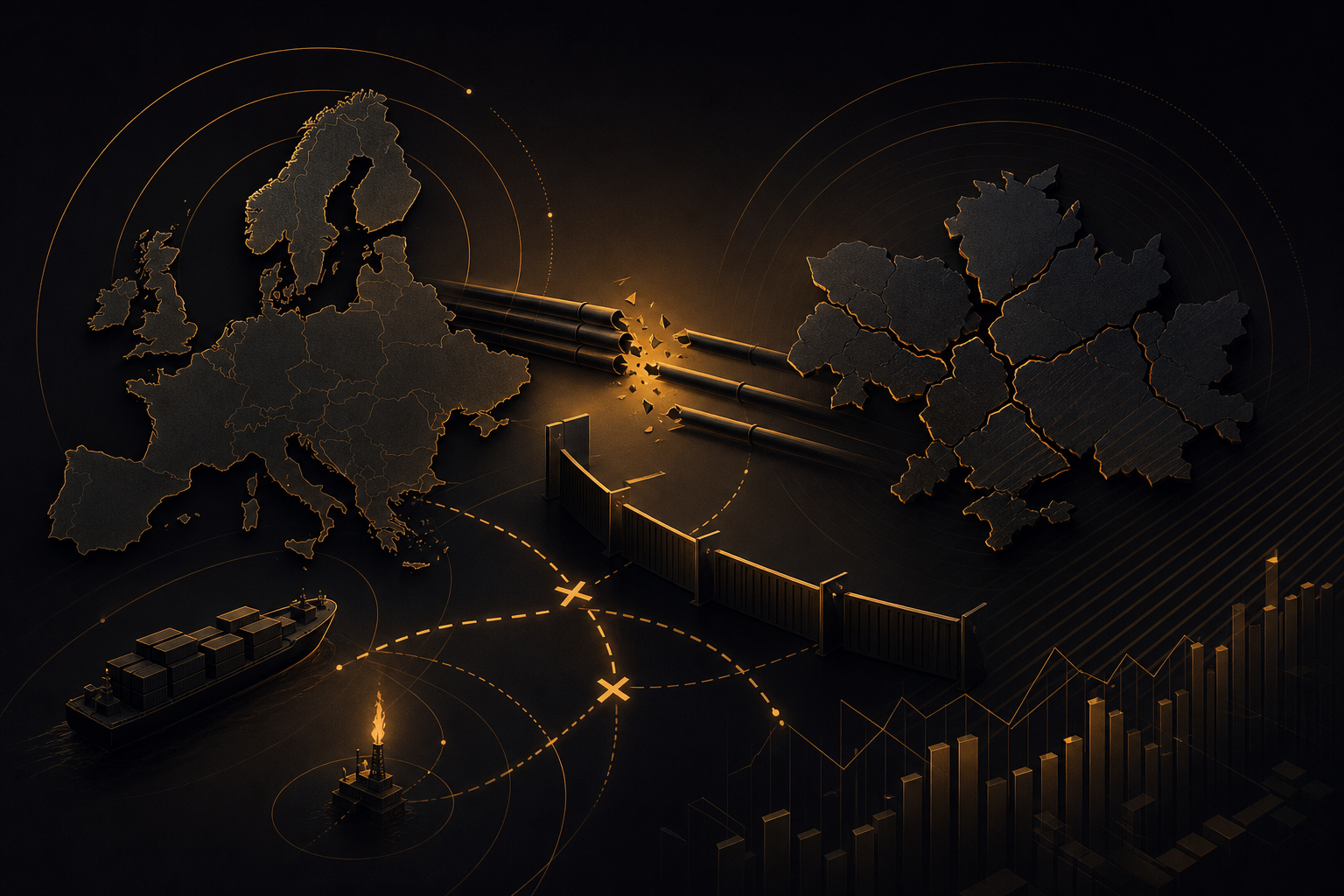 Photo: FluxrBot illustration
What Escalation Means for Contract Pricing
Sanctions expansion affects prediction-market contracts tied to EU policy thresholds, energy supply disruptions, and escalation timelines. When the EU announces a new package, traders reassess the probability of exemptions, the speed of implementation, and whether member states will maintain unity through the approval process.
Energy markets watch for signals that sanctions will continue to target Russian oil and gas revenues, though exemptions and phase-in periods have limited immediate supply shocks. Contracts pricing the likelihood of a complete EU energy embargo, or the timing of further restrictions on Russian LNG, move when foreign ministers signal intent months before formal votes.
The autumn timeline and the scale Kallas announced—adding roughly one-third to the existing blacklist—would mark the first expansion of this magnitude in over a year. If the proposal clears without major carve-outs, it signals the EU is willing to sustain pressure despite war fatigue and rising domestic political challenges in several member states.
Kallas’s statement to Die Welt positions the sanctions as part of a broader strategy to deprive Russia of the revenue and materiel needed to sustain the war. Whether unanimity holds, and whether the package that emerges in autumn matches the scope Kallas described, are the variables traders will watch as the proposal moves through the council.
Primary source: gnews-world
FAQ
Why does the EU need unanimous approval for sanctions?
EU foreign policy decisions, including sanctions, require all 27 member states to agree. A single country can block or force changes to a proposal, which has historically led to exemptions or delays before packages are adopted.
How many people and entities has the EU sanctioned since the war began?
The EU has sanctioned nearly 3,000 individuals and entities since Russia’s full-scale invasion of Ukraine in February 2022. The autumn package would expand that total to around 4,000.
When will the new sanctions be voted on?
Kallas announced the package for autumn 2025, placing the vote after the EU’s summer recess and before year-end budget negotiations. The exact timing depends on negotiations among member states.