Chile Nursing Home Fire Kills 16 Residents
A fire at a nursing home in Chile killed 16 residents, the BBC reports. What is confirmed, what is missing, and why the first death toll is rarely the last.
A fire at a nursing home in Chile killed 16 residents, the BBC reports. Al Jazeera carried the same toll; beyond that number, the reporting available to us names no city, no operator and no cause.
How many died, and where?
Sixteen residents, according to the BBC and to Al Jazeera. The location has not been named in either report as supplied to us. Chile runs more than 4,000 kilometres north to south, so “a nursing home in Chile” cannot yet be narrowed to a region, a facility, or a licensing authority.
A note on sourcing, because it shapes everything below. The material behind this piece is the BBC’s report and an Al Jazeera confirmation of the same death toll. We have not been able to verify any detail beyond the count — not the timing, not the building, not the number of people inside it. Where this article discusses how such fires and such counts usually behave, it is describing the general pattern, not making claims about this one.
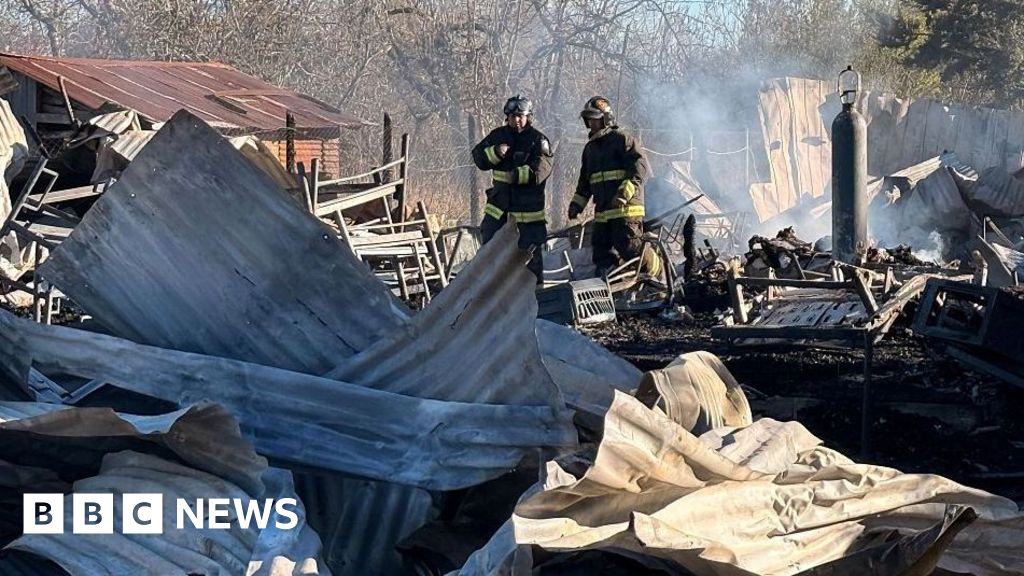 Photo: BBC
What is still missing
- The city and the facility. Whether the home was private, municipal or church-run determines who answers next, and whether it held a current licence.
- The cause. Investigators typically establish an origin and a first fuel only after the structure is safe to enter. Early guesses about causes are frequently wrong.
- The timing. Fires in care homes overnight are deadlier than daytime ones, for the reasons set out below. Whether this blaze started at night was not stated.
- Occupancy and staff. No figure has been given for how many residents were in the building, how many were evacuated, or how many staff were on duty.
- The ages and identities of the dead. Not released in the reporting available here.
These gaps usually close in a set order: the national fire service first, then the health ministry or a regional governor, then prosecutors if a criminal investigation opens.
Why a care home produces a toll like this
Sixteen dead in one building is not what a fast-moving fire in an ordinary house produces. It is what a fire produces in a place where almost nobody can leave on their own.
Nursing home residents are, by definition, people who need help with daily life. Many have limited mobility — walkers, wheelchairs, beds they cannot get out of unaided. Many live with dementia or another cognitive impairment, which means an alarm may not produce a rational response: some people hide, some go back to their rooms, some never wake. Sedating medications compound this. Safety features that make sense in normal operation — locked exterior doors to stop wandering, corridor doors held closed to slow smoke — work against evacuation once a fire starts.
Staffing is the other half. Overnight shifts in residential care are thin everywhere in the world, and getting immobile people out of a building is manual, one-at-a-time work. In most fire deaths the killer is smoke rather than flame, and smoke fills corridors far faster than a small night crew can carry people.
None of that is specific to Chile, and none of it is yet known to apply here. It is the reason a single ignition in a care home becomes a mass-casualty event instead of a contained one.
The first number is a floor
Treat 16 as a starting point, not a final figure. Early counts are assembled under the worst possible conditions, by responders working a scene rather than compiling records.
Two recent disasters show the pattern. A ferry fire in the Philippines was first reported at a lower toll and climbed to 76 as the search continued, as our earlier post recorded (Philippines ferry fire death toll rises to 76). The magnitude-7.7 earthquake on Indonesia’s Flores Island was initially reported well below the 47 dead it settled at, once villages cut off from communication were reached (our report).
Counts rise for two reasons: missing people are found, and hospitals report patients who die of their injuries days later. They occasionally fall, when someone counted twice — once at the scene, once at a morgue — is identified and de-duplicated. Anyone quoting the Chile figure today should quote it with the date attached.
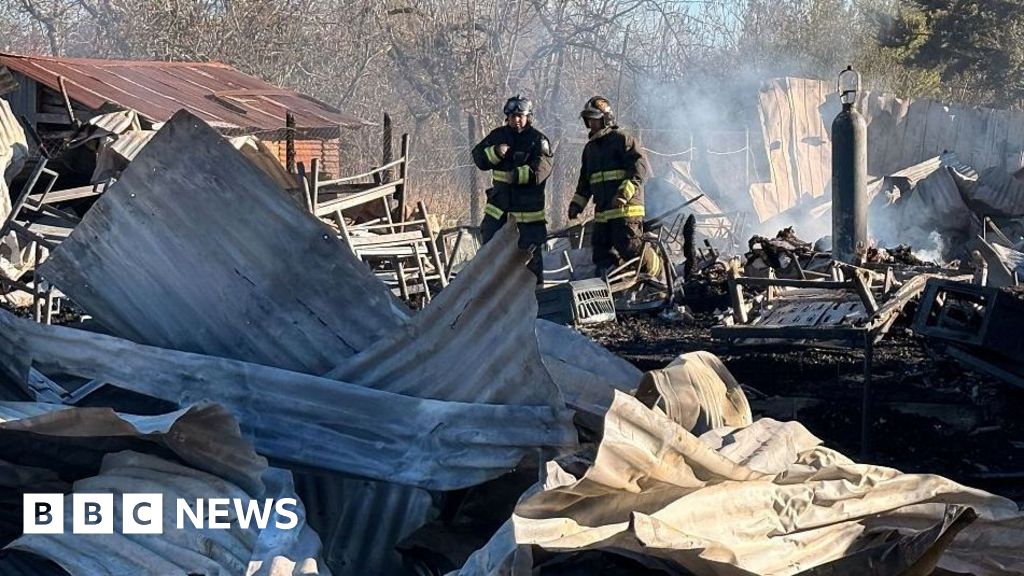 Photo: BBC
What the prediction markets do with a story like this
Almost nothing, and that is the honest answer.
For readers new to this: a prediction-market contract is a share that pays a fixed amount — usually one dollar — if a specific, verifiable thing happens, and nothing if it does not. The price people pay works as an implied probability, so a 60-cent share means the crowd puts the outcome near 60%. Our five-minute field guide to reading those prices covers the mechanics.
Exchanges list contracts around scheduled, high-information events: elections, central-bank decisions, treaty deadlines, escalations between states with observable steps. A fire in one care home in one country does not fit that mould. There is no resolution source agreed in advance, no clean definition of when the event ends, and no repeatable structure for a market maker to price.
The one exception worth naming is a death-toll threshold — a contract on whether the final count exceeds some number. Those are the markets that misprice hardest on day one, because traders anchor on the first number posted and the revision risk runs in one direction. If such a market ever opens on this fire, the first 24 hours of prices will tell you more about crowd anchoring than about the fire.
What to watch next
Three things would move this from a toll to an accountability case: the identity and licensing status of the home; whether prosecutors open a criminal investigation, and against whom; and whether the fire service publishes an origin-and-cause finding, which typically takes weeks rather than days.
Chile’s health ministry and regional governments publish through the national portal gob.cl. We have not found a statement on this fire there. Until one of those three things lands, the reporting stands where it started: 16 residents dead, and a building nobody has yet named.
Sources: BBC News. Al Jazeera carried the same death toll.
FAQ
How many people died in the Chile nursing home fire?
Sixteen residents, according to the BBC. Al Jazeera reported the same toll. The figure may still change, since early counts in disasters typically rise as missing people are found and hospital deaths are added.
Where in Chile did the nursing home fire happen?
The reports available to us do not name a city or region. Chile stretches more than 4,000 kilometres, so the facility cannot yet be identified, and neither its operator nor its licensing authority is known.
What caused the fire?
No cause has been stated. Fire investigators usually determine an origin and a first fuel only after the building is safe to enter, and an origin-and-cause finding typically takes weeks.
Is there a prediction market on this fire?
Not at present. Exchanges list contracts around scheduled events with an agreed resolution source, and a single-building fire has no clean end point for a market maker. The one format that could appear is a death-toll threshold contract.