Saudi Arabia Shuts Oil Pipeline After Iraq Drone Attack
Saudi Arabia shut a key oil pipeline after a drone attack launched from Iraq. What is confirmed, what isn't, and what the bypass outage means for crude.
Saudi Arabia has shut a key oil pipeline after a drone attack launched from Iraq, according to a BBC report distributed across news feeds on Wednesday. Neither Saudi Aramco nor the Iraqi government had published a damage assessment, a barrel figure or a restart date at the time of writing.
That is the whole of what can be stated flatly right now. The rest of this article separates the two things that matter: what the reporting actually supports, and what the oil market’s structure implies if the shutdown lasts.
Which pipeline was hit, and how much oil does it carry?
The available reporting does not name the line. The BBC headline says “key oil pipeline,” which in Saudi context almost certainly points to the East–West Crude Oil Pipeline — the overland route that carries Gulf-side crude across the kingdom to Red Sea terminals, bypassing the Strait of Hormuz. Wikipedia’s entry on the line describes its role as the kingdom’s alternative export path when the Gulf waterway is unusable.
We are not publishing a capacity number, because we do not have one from a primary source. Circulating figures in secondary coverage should be treated as estimates until Aramco or the energy ministry states one.
What the reporting confirms, and what it does not
Supported by the BBC report: drones were launched from Iraqi territory; Saudi Arabia responded by shutting a key oil pipeline. Five separate news feeds were carrying the item within roughly 24 hours, which suggests the wire copy is being picked up broadly rather than being a single-outlet scoop.
Not established anywhere in the material we can verify: which line was hit, how many barrels per day are offline, who flew the drones, whether the shutdown is precautionary inspection or repair necessity, and how long it lasts.
That last distinction is the one that will drive the first 48 hours of coverage. A pipeline taken down for inspection and a pipeline with a ruptured pumping station are different events with different timelines, and early reporting rarely separates them cleanly.
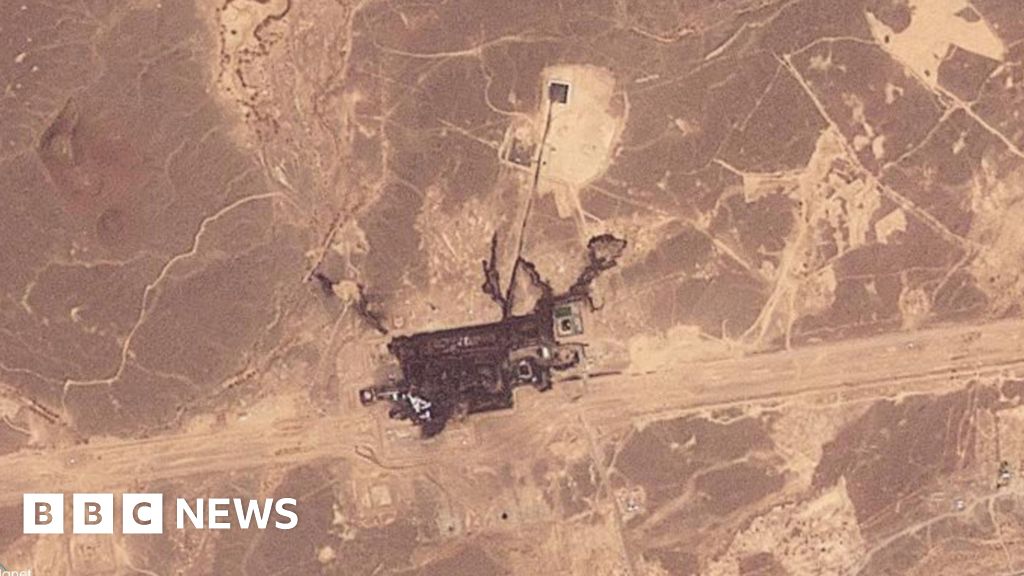 Photo: BBC
Why the bypass matters more than the barrel count
Saudi production is concentrated on the Gulf side of the country, and the Strait of Hormuz is the world’s most closely watched oil chokepoint. The overland pipeline exists precisely so that a Hormuz disruption does not equal a Saudi export shutdown — it is the market’s insurance policy against a blockade.
Take the insurance away and the risk changes shape rather than merely growing. Traders could previously price a partial closure: strait blocked, Saudi barrels still reaching the Red Sea. With the bypass also dark, those two failure modes arrive together. That correlation is a bigger input into crude prices than the lost volume alone.
Context for readers who have followed our energy coverage: crude was already carrying a Gulf risk premium before this. We wrote about Brent pushing above $90 when the US–Iran ceasefire expired and Oman talks stalled in our earlier oil piece, and about how Hormuz-related contracts settle in our breakdown of the energy-conflict repricing. This outage lands on top of that, not onto a calm tape.
What prediction markets pay on now
Three clusters of contracts are live, and they are not the same bet:
- Hormuz traffic and closure markets — pay on whether the strait itself is blocked or reopened inside a defined window. A pipeline outage on land does not resolve those, which is a common misread.
- Escalation contracts — pay on strikes and state-on-state action. Attribution decides them: an Iraqi militia launching drones settles very differently from a named foreign sponsor.
- Infrastructure-restoration markets — thin when they exist, and typically the fastest to reprice because fewer sophisticated traders are on the other side.
For anyone who has not traded these: a contract’s price is its implied probability. A market quoted at 32 cents is the crowd saying “32% likely,” and it pays $1 if the event resolves yes. Going from one to the other is a single division; our odds converter handles it across decimal, fractional and American formats, which helps when one venue quotes probability and another quotes price.
The trap in a story this fresh is mistaking a spike for information. To illustrate — figures here are hypothetical, not observed — consider a restoration market that jumps 20 points on an unconfirmed report of a pumping-station hit, then retraces most of that within the hour once a ministry statement lands. Thin contracts on technical questions do this routinely.
 Photo: FluxrBot illustration
What to watch next
Attribution. Whether Saudi Arabia or the United States names a launcher, and whether Baghdad disowns the strike. That determines whether this stays an energy story or becomes a regional military one.
A repair timeline. Nothing in the current reporting suggests how fast Aramco can restart the line, and no historical comparison we can cite responsibly changes that. A “weeks” estimate and a “months” estimate are different oil markets.
Red Sea tanker rates and routing. If charterers begin avoiding Red Sea loading points as well, the loss of the bypass compounds. This is the second-order signal that most coverage skips.
Until an official capacity figure and a restart date exist, what is being priced is uncertainty about the bypass, not a confirmed loss of it.
Primary source: BBC
FAQ
Which Saudi oil pipeline was shut after the drone attack?
The BBC report does not name the line. The likely candidate is the East–West Crude Oil Pipeline, which carries Gulf-side crude overland to Red Sea terminals instead of through the Strait of Hormuz, but that has not been confirmed by Saudi Aramco or the energy ministry.
How many barrels per day are offline?
No capacity figure has been published by a primary source. Numbers circulating in secondary coverage should be treated as estimates until Aramco or the Saudi energy ministry states one.
Does a pipeline shutdown in Saudi Arabia affect Strait of Hormuz markets?
Not directly. Hormuz contracts pay on whether the strait itself is blocked or reopened, so a land-based pipeline outage does not resolve them. What it does change is the market’s ability to reroute Saudi barrels around the strait, which raises the cost of a Hormuz disruption.