US Flies Diplomat Out of UK After Child Images Accusation
US authorities removed a diplomat accused of possessing indecent images of children from Britain without warning police or filing extradition papers.
US authorities removed a diplomat accused of possessing indecent images of children from Britain in August without warning the Metropolitan police, according to The Guardian. Officials raided the man’s London flat before taking him to an American airbase and flying him out of the country. No extradition request was filed.
American personnel have no powers of arrest in Britain. The US embassy told British authorities about the case after the fact, saying the individual had been “reassigned to the United States in conjunction with an ongoing investigation.”
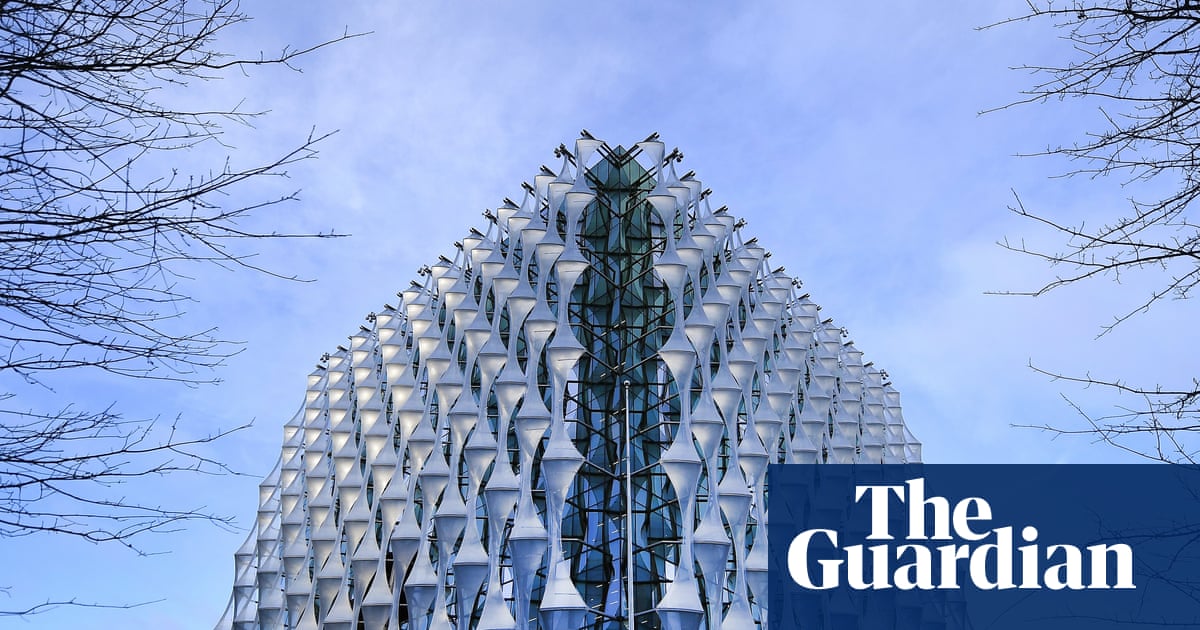 Photo: The Guardian
UK ministers are now in contact with the US embassy over the incident, which has drawn comparisons to two high-profile cases where Americans avoided prosecution under English law.
The Anne Sacoolas precedent
Shadow justice secretary Nick Timothy wrote to his government counterpart Alex Norris calling the diplomat’s removal “a cover-up” and demanding the man face trial in an English court if offences were committed in the UK.
The case echoes that of Anne Sacoolas, a US state department employee who killed teenager Harry Dunn in a 2019 car crash. Sacoolas left Britain shortly after the collision when the US asserted diplomatic immunity on her behalf. She eventually pleaded guilty to causing death by careless driving at a virtual high-court hearing in December 2022 and received an eight-month suspended sentence.
The Dunn family’s three-year campaign to bring Sacoolas back to Britain became a flashpoint in UK-US relations. Diplomatic immunity—a centuries-old principle codified in the 1961 Vienna Convention—shields diplomats from host-country prosecution, but critics argue the protection is increasingly used to evade accountability for serious crimes.
A pattern of military court martials
Timothy also cited the case of US fighter pilot Capt Jacob Wulfson, who strangled a woman in Cambridge while off-duty. Rather than face trial in England, Wulfson was tried by court martial at a US airbase and jailed for six months after being convicted of strangulation. He was acquitted of charges of sexual assault and aggravated sexual contact.
“These cases should have been investigated by the English police and prosecuted in our courts,” Timothy wrote, calling the diplomat incident part of a “concerning pattern.”
The Met confirmed that on August 25, “US authorities made us aware of an investigation they are conducting into suspected offences in London relating to indecent images of children.” The force said it continues to liaise with US officials.
Why reform is unlikely
Diplomatic immunity reform faces a structural obstacle: governments that protect foreign diplomats rely on reciprocal protection for their own personnel abroad. No major prediction market currently lists contracts on Vienna Convention amendments.
 Photo: FluxrBot illustration
The Sacoolas case generated sustained public pressure, but no treaty renegotiation followed. The current case lands at a moment of strained UK-US relations, yet the diplomatic machinery that shields envoys from local prosecution remains unchanged.
If a future UK-US agreement did narrow immunity for non-essential embassy staff—a question no market has priced—traders would need to assess the probability of multiple low-odds events: parliamentary approval in Britain, Senate ratification in the US, and acceptance by other Vienna Convention signatories who might view the precedent as a threat to their own diplomats.
Government response
A UK government spokesperson declined to comment on the case because of the ongoing US investigation, but said Britain expects all foreign diplomats to obey the law while in the UK, “in the same way we expect all UK diplomats to do so when posted overseas.”
A US embassy spokesperson said the embassy was “aware of allegations” concerning one of its staff and took “swift action” after quickly informing UK law enforcement. The state department declined to discuss specifics, adding only that it takes the allegations seriously.
The Vienna Convention allows host countries to declare diplomats persona non grata and expel them, but it does not permit prosecution unless the sending state waives immunity. The US has shown no indication it will do so in this case.
Primary source: The Guardian
FAQ
Can the US prosecute a diplomat in Britain without telling British police?
American personnel have no powers of arrest in Britain. In this case, US officials raided the diplomat’s flat and flew him out via a US airbase without warning the Metropolitan police or filing an extradition request. The US embassy informed British authorities after the fact.
What is diplomatic immunity and can it be waived?
Diplomatic immunity is a principle codified in the 1961 Vienna Convention that shields diplomats from host-country prosecution. The Vienna Convention allows host countries to expel diplomats but does not permit prosecution unless the sending state waives immunity. The US has shown no indication it will waive immunity in this case.
What happened in the Anne Sacoolas case?
Anne Sacoolas, a US state department employee, killed teenager Harry Dunn in a 2019 car crash in Britain. She left the country shortly after when the US asserted diplomatic immunity. After a three-year campaign by the Dunn family, Sacoolas pleaded guilty to causing death by careless driving at a virtual high-court hearing in December 2022 and received an eight-month suspended sentence.