Sydney Sweeney Ad Backlash: Female Athletes Respond
Female athletes worldwide are pushing back against a viral Sydney Sweeney advertisement, posting images of their own bodies with the caption "this is what.
Athletes Fire Back at Sweeney Campaign
A global wave of female athletes is challenging a viral advertisement featuring actor Sydney Sweeney, posting photographs of themselves with a pointed message: “This is what women in sport look like.”
The backlash erupted after Sweeney appeared in a campaign that depicted her in athletic contexts, prompting professional and Olympic athletes across multiple sports to respond directly on social media. The coordinated pushback highlights a long-standing tension between how brands market athleticism and the reality of elite sports performance.
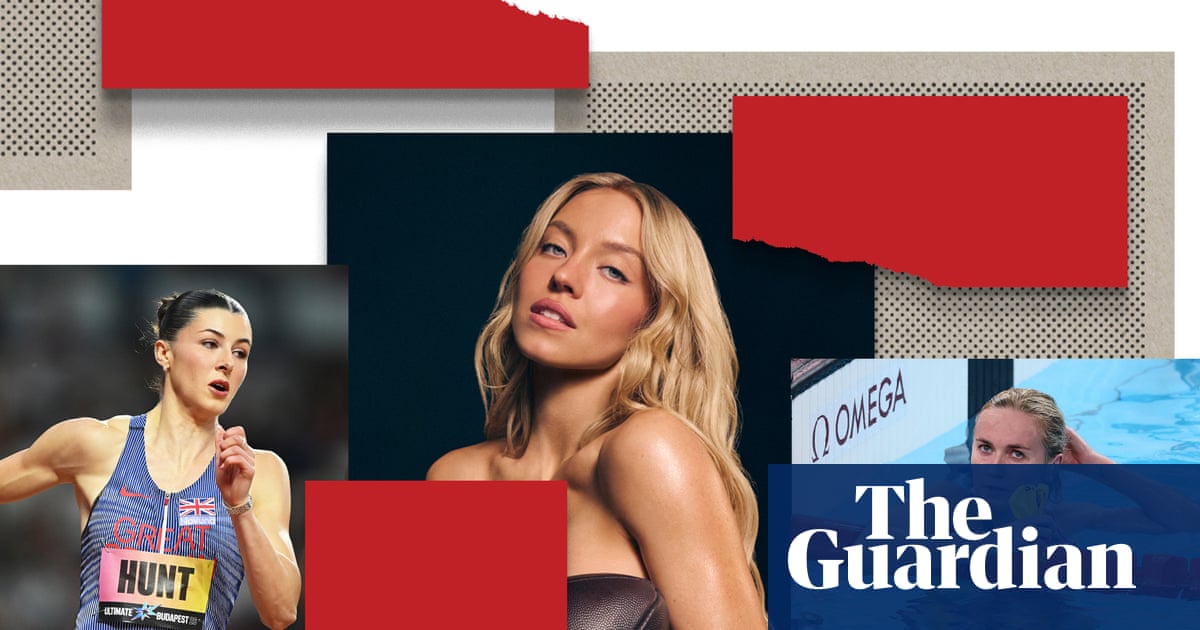 Photo: The Guardian
British triathlete Georgia Taylor-Brown, who won Olympic silver in Tokyo, posted an image of herself mid-competition alongside the caption. Australian soccer player Ellie Carpenter, a Lyon defender and Paris Olympic bronze medalist, followed suit. American Olympic wrestler Amit Elor, who took gold in Paris at age 20, shared her own training photo with the same text.
The campaign appears to center on Sweeney’s collaboration with a sports or lifestyle brand, though the specific advertiser has not been named in most coverage. Sweeney, known for roles in Euphoria and The White Lotus, has built a substantial social-media following that makes her a lucrative partner for consumer brands targeting younger audiences.
Why the Response Grew So Fast
The athlete-led response spread within hours across Instagram, Twitter, and TikTok. What began with a handful of posts snowballed into a movement as athletes tagged one another and reposted each other’s images, creating a visual counter-narrative to the original ad.
Para-athlete Sammi Kinghorn, a wheelchair racer who has competed at two Paralympics, wrote in her caption: “We come in all shapes, all sizes, all abilities. This is what an athlete looks like.” The sentiment was echoed by dozens of others, many of whom emphasized that athletic bodies reflect the demands of their specific disciplines—from distance running to weightlifting to swimming—rather than a single aesthetic standard.
The timing is notable. Women’s sports have seen record investment and viewership in recent years, with leagues like the WNBA and NWSL drawing larger crowds and broadcast deals. At the same time, criticism of how female athletes are marketed—often emphasizing appearance over performance—has intensified.
The Market Angle: Sweeney’s Brand Value at Stake
Sydney Sweeney’s endorsement portfolio has expanded rapidly since 2023, with deals reported in fashion, beauty, and now athletic or lifestyle categories. While exact contract values are not public, actors with comparable social reach—Sweeney has over 20 million Instagram followers—can command seven figures for campaign partnerships.
Prediction markets tied to celebrity reputation or brand crises are less common than political or economic contracts, but sentiment-tracking platforms that aggregate social-media data showed a sharp uptick in negative mentions of Sweeney’s name in the 48 hours following the athlete posts. Whether this translates to tangible damage depends on the brand’s response and how long the story circulates.
Advertising analysts note that backlash of this kind can prompt swift pivots: brands may pull or edit campaigns, issue statements, or enlist the very critics to reshape the message. The outcome often hinges on speed and whether the original campaign is perceived as tone-deaf or merely poorly timed.
 Photo: The Guardian
What the Athletes Want
Several athletes who participated in the response have since clarified their intent in follow-up posts. The goal, they say, is not to attack Sweeney personally but to push back against an industry pattern: casting non-athletes in roles that erase the visibility of actual competitors.
“We’re not saying actors shouldn’t be in ads,” wrote one runner who shared her image. “We’re saying: we exist. Use us.”
The complaint echoes earlier controversies in which brands selected models or influencers for sportswear campaigns while sidelining the athletes who wear the gear in competition. Critics argue this practice undermines the growing investment in women’s sports and sends a contradictory message about what athletic success looks like.
Some marketing professionals have noted that Sweeney’s team and the brand behind the ad have so far remained silent, which may be a strategic choice to let the cycle pass or a sign that a formal response is being prepared. Either way, the athlete-led campaign has already reframed the conversation: the story is no longer about Sweeney’s star power but about who gets to represent athleticism in the first place.
Primary source: The Guardian
FAQ
Why are female athletes criticizing the Sydney Sweeney ad?
Athletes are pushing back against the use of a non-athlete in a campaign that depicts athletic contexts, arguing it erases the visibility of actual competitors and perpetuates unrealistic body standards. Many posted their own images with the caption ‘this is what women in sport look like’ to challenge the campaign.
Which athletes participated in the response?
Olympic medalists including British triathlete Georgia Taylor-Brown, Australian soccer player Ellie Carpenter, American wrestler Amit Elor, and para-athlete Sammi Kinghorn were among those who shared images. The response spread rapidly as athletes tagged and reposted each other’s content.
Has Sydney Sweeney or the brand responded to the backlash?
As of now, neither Sweeney’s team nor the brand behind the ad has issued a public statement. The silence may be strategic or indicate a formal response is being prepared.