Pennsylvania Measles Death: Third Fatality in Outbreak
A 40-year-old woman died Saturday in Pennsylvania's measles outbreak—the third death in a state with nearly 700 cases across 37 counties.
A coroner in Pennsylvania announced the death of a 40-year-old woman tied to the state’s ongoing measles outbreak on Saturday. The death marks the third in Pennsylvania this year and the first adult fatality.
Two infants died previously. One was born with a genetic defect that left her vulnerable to infection. The second was infected with measles and died of a lacerated spleen, though Robert F. Kennedy Jr.—the US health secretary—later cited the Lancaster County Coroner as stating the infant “died from a lacerated spleen, not measles.”
As of last Friday, the state had nearly 700 confirmed cases of measles across 37 counties. The outbreak remains heavily concentrated in Lancaster and Mifflin counties, home to large farming communities with lower vaccination rates.
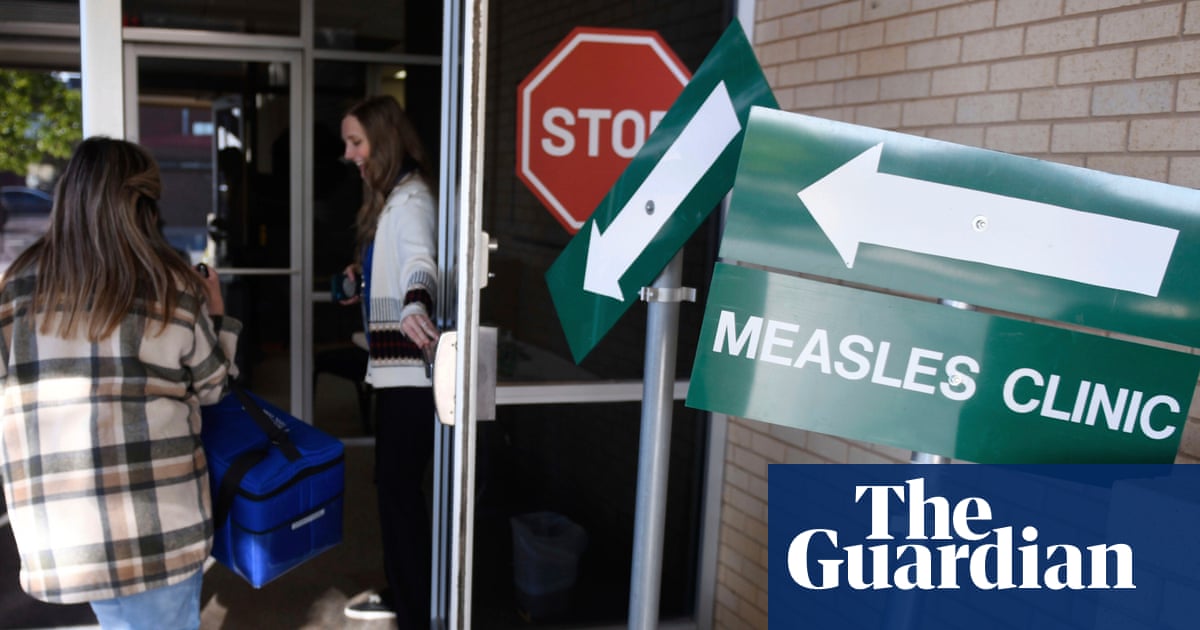 Photo: The Guardian
Who died in Pennsylvania’s measles outbreak?
Jason Stiver, Jefferson County’s chief deputy coroner and public relations officer, confirmed the woman’s death to Pittsburgh station WTAE. “Many people associate measles with a childhood illness, but it can lead to severe complications in individuals of any age,” Stiver said.
Measles is one of the most infectious diseases known to medicine. It hospitalizes one in every five unvaccinated people it infects. Between one and three children in every 1,000 die from measles-related respiratory and neurologic complications, according to the Centers for Disease Control and Prevention.
“Measles is highly contagious and can result in serious respiratory illness, hospitalization, and in rare cases like this, death,” Stiver said. “While cases of severe illness remain uncommon, this tragedy highlights that measles should not be taken lightly.”
The coroner’s office is working with Pennsylvania state health officials on the case. The health department’s most recent update, released Friday, did not reflect the third death.
Why Pennsylvania’s measles cases keep climbing
Lancaster and Mifflin counties account for the bulk of the 700 cases, areas with substantial Amish and Mennonite populations where vaccine hesitancy runs higher than the state average.
The CDC recently released data showing a steady decline in kindergarten vaccination rates for measles, mumps and rubella (MMR). Experts blamed the decline on two factors: the success of the vaccine itself—few people remember when children regularly died of measles—and confusion caused by Kennedy, a longtime vaccine skeptic.
Kennedy has repeatedly linked vaccines to autism without evidence. Most recently, he asked the CDC to exclude Pennsylvania’s two infant measles deaths from its national tally, according to The Guardian. Kennedy later acknowledged in a social media post that the CDC “waited for the evidence.”
“The Lancaster County Coroner has now publicly stated that measles caused only the second infant’s death and has also publicly stated that the infant had Amish lethal microcephaly, a rare genetic condition in which infants typically live only about six months,” Kennedy wrote. “The Coroner continues to state publicly that the first infant died from a lacerated spleen, not measles.”
Pennsylvania state health officials have counted both deaths as measles-associated. The third death, announced Saturday, had not yet been addressed by Kennedy at the time of publication.
 Photo: FluxrBot illustration
What measles outbreaks mean for public health policy
Measles was declared eliminated in the United States in 2000 after decades of vaccination campaigns. Elimination means the disease is no longer continuously transmitted within the country, though imported cases still occur.
Pennsylvania’s outbreak is a reminder that elimination is not eradication. When vaccination rates drop in concentrated clusters, the virus can spread quickly through unvaccinated populations.
The MMR vaccine is 97 percent effective after two doses. Children typically receive the first dose between 12 and 15 months of age and the second between four and six years old.
Public health officials have urged residents in affected counties to check their vaccination records and get the MMR vaccine if they are not up to date. Adults born after 1957 who have not had measles or the vaccine should consider getting vaccinated, especially if they live in or plan to travel to outbreak areas.
The outbreak’s concentration in Lancaster and Mifflin counties underscores the challenge of reaching communities with religious or philosophical objections to vaccination. Pennsylvania allows religious and philosophical exemptions to school immunization requirements, though lawmakers have debated tightening those rules in recent years.
The probability angle: how outbreaks create binary questions
For prediction-market traders, public health outbreaks create a series of binary resolution questions: will cases exceed a threshold? Will the outbreak spread to neighboring counties? Will deaths reach double digits before containment?
Pennsylvania’s 700-case mark offers a baseline for calibration. The outbreak has already moved from two counties to 37. Whether it spreads further depends on vaccination rates in neighboring areas and how quickly public health messaging reaches unvaccinated clusters.
Binary health events resolve on official tallies—in this case, Pennsylvania state health department updates and county coroner statements. Kennedy’s attempt to exclude two infant deaths from the CDC’s national count shows how official tallies can become contested, a risk traders price into contracts with disputed resolution criteria.
The probability converter helps translate public health likelihoods—like the one-in-five hospitalization rate for unvaccinated measles patients—into market-readable probabilities. Outbreaks are rare-event newsflow, and base rates shift as case counts climb.
Stiver’s statement to WTAE emphasized the stakes. “We encourage residents to stay informed, follow guidance from public health officials, and take appropriate steps to protect themselves and their families,” he said.
The Jefferson County coroner’s office has not released additional details about the 40-year-old woman, including whether she had underlying health conditions or why she was unvaccinated.
FAQ
How many measles cases are in Pennsylvania right now?
Pennsylvania had nearly 700 confirmed measles cases across 37 counties as of Friday. The outbreak is heavily concentrated in Lancaster and Mifflin counties, home to large farming communities with lower vaccination rates.
How deadly is measles for unvaccinated people?
Measles hospitalizes one in every five unvaccinated people it infects. Between one and three children in every 1,000 die from measles-related respiratory and neurologic complications, according to the CDC.
Why did Robert F. Kennedy Jr. ask the CDC to exclude Pennsylvania deaths?
Kennedy, the US health secretary and a longtime vaccine skeptic, asked the CDC to exclude two infant deaths from its national measles tally. He later cited the Lancaster County Coroner as stating one infant died from a lacerated spleen rather than measles. Pennsylvania state health officials have counted both deaths as measles-associated.
Use the outbreak threshold probability calculator to estimate how likely an epidemic will reach a critical case count in the coming days based on current growth dynamics — try it here.